
Insurance for vacation rentals in Curaçao
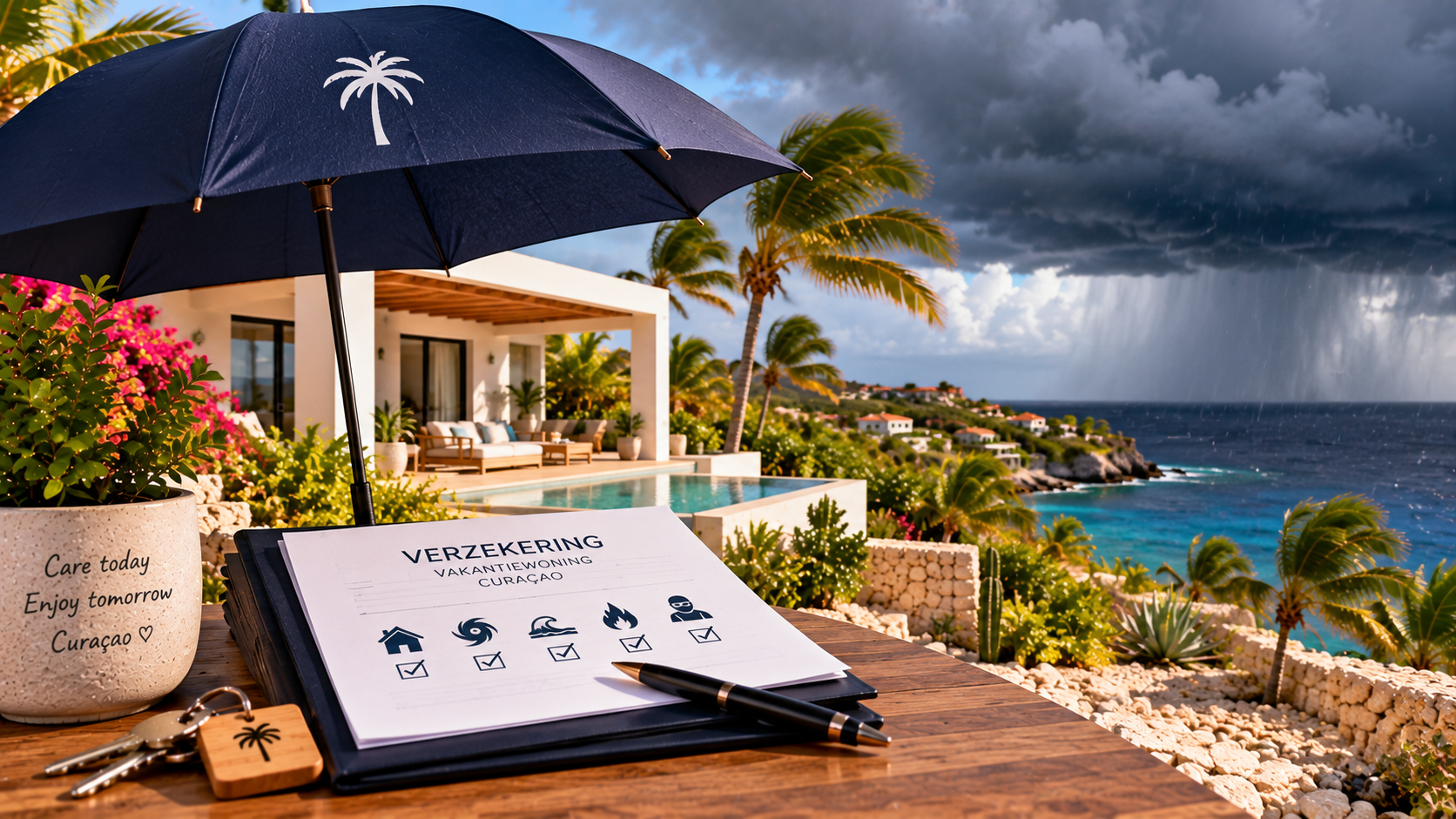
What is really required and what is often misunderstood?
Many property owners assume that once insurance is in place, risks are covered. In practice, insurance for rental property in Curaçao is often incomplete or incorrectly arranged.
Especially with short-term or vacation rental, standard policies may fall short.
The basics: which insurances matter?
Home insurance vs rental insurance
A standard home insurance policy is typically designed for private use. Once a property is rented out, coverage may be limited, certain risks may be excluded, and claims can be rejected if rental was not disclosed. It is therefore essential to confirm whether your policy explicitly allows short-term or tourist rental.
Liability insurance
Liability insurance is one of the most important policies for rental property. It should cover injuries to guests, damage caused by defects or unsafe situations, and incidents around pools, terraces and outdoor areas. Without proper liability coverage, claims may fall directly on the owner.
Building and contents insurance
Depending on the setup, owners should consider building insurance (structure, fixed elements) and contents insurance (furniture, appliances, inventory). For vacation rentals, wear and tear is higher, which should be reflected in the policy conditions.
Insurance for private living is not automatically suitable for rental. Rental requires specific coverage.
Common gaps, assumptions and practical advice
How to avoid unpleasant surprises
"The property manager will handle insurance"
This is a common assumption - and often incorrect. In most cases, insurance remains the responsibility of the owner, the property manager may assist, but does not provide coverage, and unclear responsibility can delay claims. Always clarify who insures what.
Exclusions and fine print
Common exclusions include damage caused by guests, incidents related to pools or outdoor facilities, short-term rental without prior disclosure, and lack of proper maintenance. Reading policy conditions - or having them reviewed - is not optional.
Practical steps to improve coverage
Experienced owners often inform insurers explicitly about rental use, request written confirmation of coverage, align insurance with actual rental intensity, review policies annually, and combine insurance with clear house rules and inspections. These steps significantly reduce risk.
A common mistake
What I frequently see: "We assumed the insurance would cover it." Unfortunately, assumptions do not hold up in the event of a claim.
Conclusion
Insurance is not just a formality - it is a core part of responsible rental ownership. By aligning insurance with rental use, closing common coverage gaps, and clarifying responsibilities upfront, you protect yourself, your guests and your investment.
Final note
Are you renting out property in Curaçao, or planning to do so? Then reviewing your insurance setup before something happens is one of the smartest steps you can take.