
Common mistakes made by foreign property owners in Curaçao
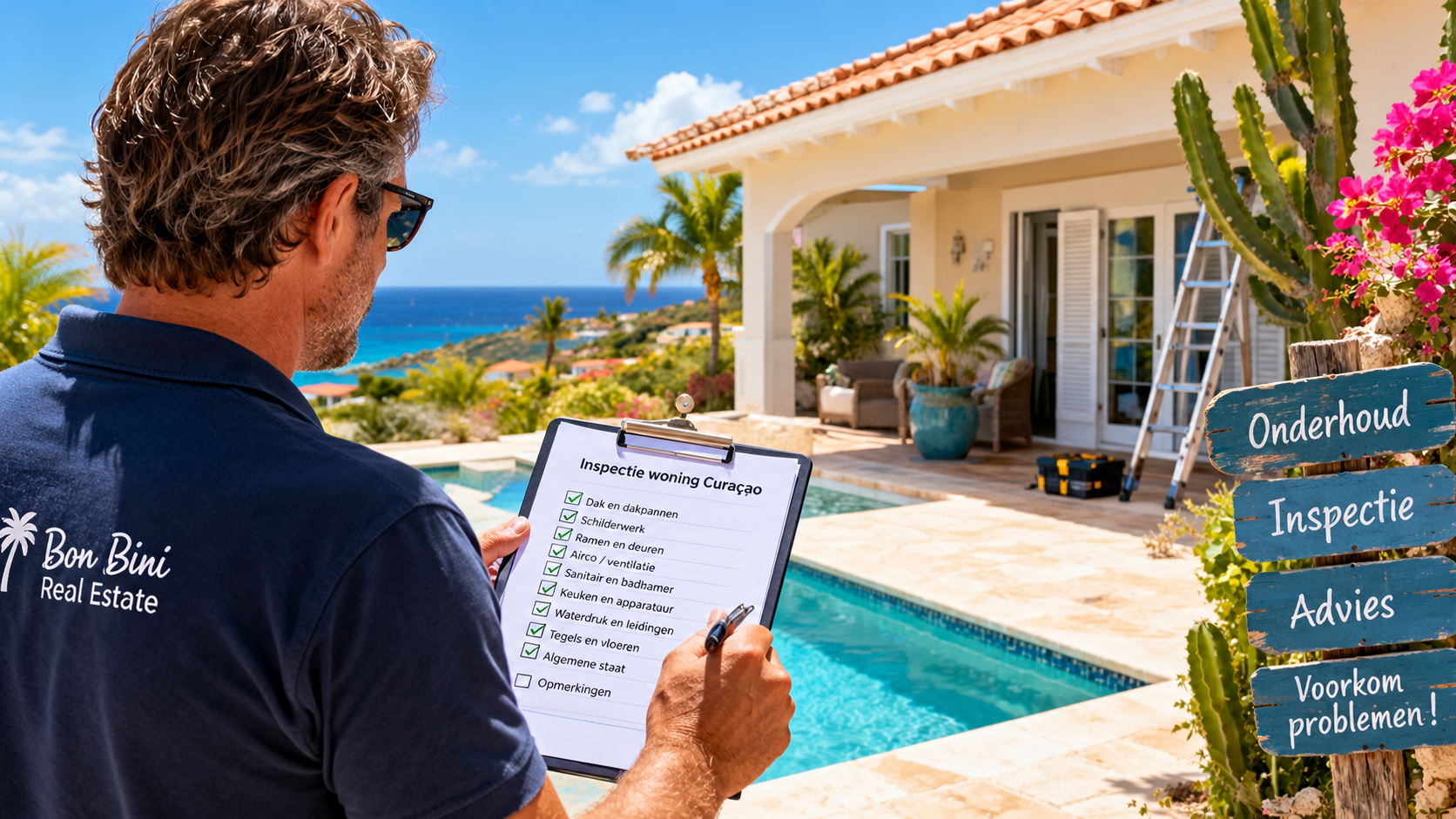
And how to avoid them before they become costly
Buying property in Curaçao as a foreign owner is an exciting step. The island offers lifestyle, rental opportunities and long-term value.
At the same time, many challenges arise - not because of poor intentions, but because local realities are underestimated or overlooked. Below are the most common mistakes I see in practice, and how they can be avoided.
Mistakes made before or during purchase
Good intentions, wrong assumptions
1. Choosing the wrong ownership structure
One of the most frequent mistakes is selecting an ownership structure too quickly. Examples include:
- setting up an SPF when private ownership would be sufficient
- choosing private ownership when rental is clearly structural
- creating a structure without understanding its impact on rental, tax or flexibility
This often results in unnecessary costs, limitations or administrative complexity. The right structure should always align with use, rental intensity and future plans.
2. Underestimating ongoing costs
Many buyers focus mainly on the purchase price and underestimate recurring costs such as water and electricity, maintenance and repairs, insurance, property management, and taxes and administration. These costs have a direct impact on net rental returns.
3. Assuming "European rules" apply
A common assumption is that it will work the same way as back home. In reality, regulations, timelines and practices differ. Understanding the local context avoids frustration, delays and incorrect expectations.
Most early mistakes are caused by assumptions - not by bad decisions.
Mistakes during rental and ownership
Where issues usually appear later
4. Starting rental without proper registration
Some owners start renting before arranging CRIB registration (if required), turnover tax (OB) and income tax setup, and proper bookkeeping. Correcting this afterwards is often more time-consuming and costly.
5. Poor utility management
High water pressure, leaks and meters located away from the property can result in unnoticed consumption, high bills, and avoidable damage. The absence of sub-meters or pressure regulators is a common oversight.
6. Inadequate insurance coverage
Standard home insurance often does not fully cover vacation rental use. Missing coverage may involve liability towards guests, rental-related damage, and exclusions for short-term rental. This risk is often discovered only when something goes wrong.
7. Underestimating management and maintenance
Rental is rarely "set and forget". Guest communication, cleaning, inspections, repairs and emergencies require clear agreements, reliable local support and ongoing attention. Without this, quality and reviews suffer.
8. Ignoring banking and transfer costs
International transfers and exchange rate margins are frequently overlooked. Over time, these costs can significantly reduce net returns - often without owners realising where the money went.
9. Overestimating rental returns
One of the most common mistakes is calculating rental returns too optimistically. Many expectations are based on advertised occupancy rates, gross nightly prices, and ideal scenarios presented in brochures or sales conversations. In practice, successful rental involves much more than listing a property online.
What is often overlooked
Actual rental performance is influenced by seasonality and fluctuating demand, competition within the same market segment, quality of marketing and presentation, pricing strategy and availability management, guest experience, reviews and response times, and downtime between bookings and operational costs. As a result, net returns are often lower than initially expected, especially in the first period.
Competition on Curaçao
The vacation rental market in Curaçao is competitive, with guests able to choose from a wide range of properties. This means more choice for guests, higher expectations, and a stronger need for owners to stand out. Properties that do not clearly differentiate themselves - in quality, location, presentation or service - often struggle to achieve projected occupancy levels.
Renting well takes effort
A common assumption is that once a listing is online, bookings will come automatically. In reality, successful rental requires professional presentation, active pricing management, reliable property management and continuous focus on guest experience. Rental income is not passive by default - it needs to be managed properly.
Conclusion
Most mistakes made by foreign property owners are not dramatic on their own, but they accumulate over time. They usually stem from unrealistic expectations, lack of local insight, and postponing decisions that should be made early. The good news: almost all of them are avoidable.
Final note
Owning property in Curaçao can be enjoyable and financially rewarding when expectations match reality. By taking time to understand structures and obligations, realistic rental performance, and local market dynamics, you protect both your investment and your peace of mind.